You are halfway through a brutal shift. You are covering the gaps because the agency workers vanished at the break bell the moment they realized they didn’t want to pack boxes or stack pallets. Your legs are burning from a rotating shift pattern you never asked for, and you are running machinery that hasn’t seen a real service in a year.
Then, the supervisor walks up with a fake smile.
“Can I just have a quick word in the office? Nothing serious, just an informal chat.”
It is a trap.
In industrial workplaces around the world, there is no such thing as an off-the-record conversation with management. An informal chat is the invisible initial commit in building a paper trail to terminate you. If you walk into that office completely unarmed, relying on the company’s internal goodwill to keep you safe, you are risking your household income.
Here is the raw reality of what is happening inside that office, and the exact external protocols you must deploy to protect your shift.
1. The Real Reason for the Summons
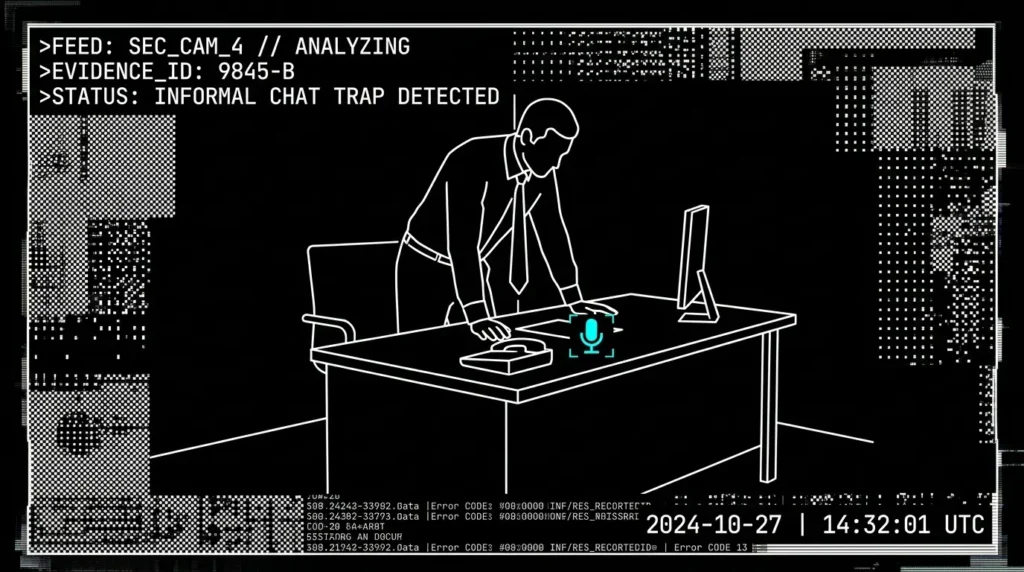
Management relies on the “informal” label because it strips you of your standard workplace defenses. They isolate you while you are physically exhausted and caught off guard. No, they are not trying to help you. They are running an internal cost-cutting operation.
- The Redundancy Dodge: Companies want to cut headcount without paying out severance packages. Toxic managers run aggressive campaigns to force workers to want to leave by themselves. They will use unrecorded informal chats to bully you, claim your attitude has dropped, and create an environment so stressful that you quit on your own, saving the company thousands.
- The Safety Blame-Shift: When redundancies force one operator to run two machines at once, accidents happen. If you twist your knee rushing between machines, management will pull you into an informal chat to ask if you were “running”. The moment you say yes, they document it as a safety violation by the employee to deny injury compensation.
- The Donkey Work Justification: When seasonal machinery slows down, they want to pull a skilled machine operator off the line to do bottom-tier donkey work. They want you packing, closing boxes with tape, or cleaning up. They use the informal chat to extract a verbal agreement to “be flexible,” turning your contract into a blank check for cheap labor.
2. The Floor Spies and the HR Illusion
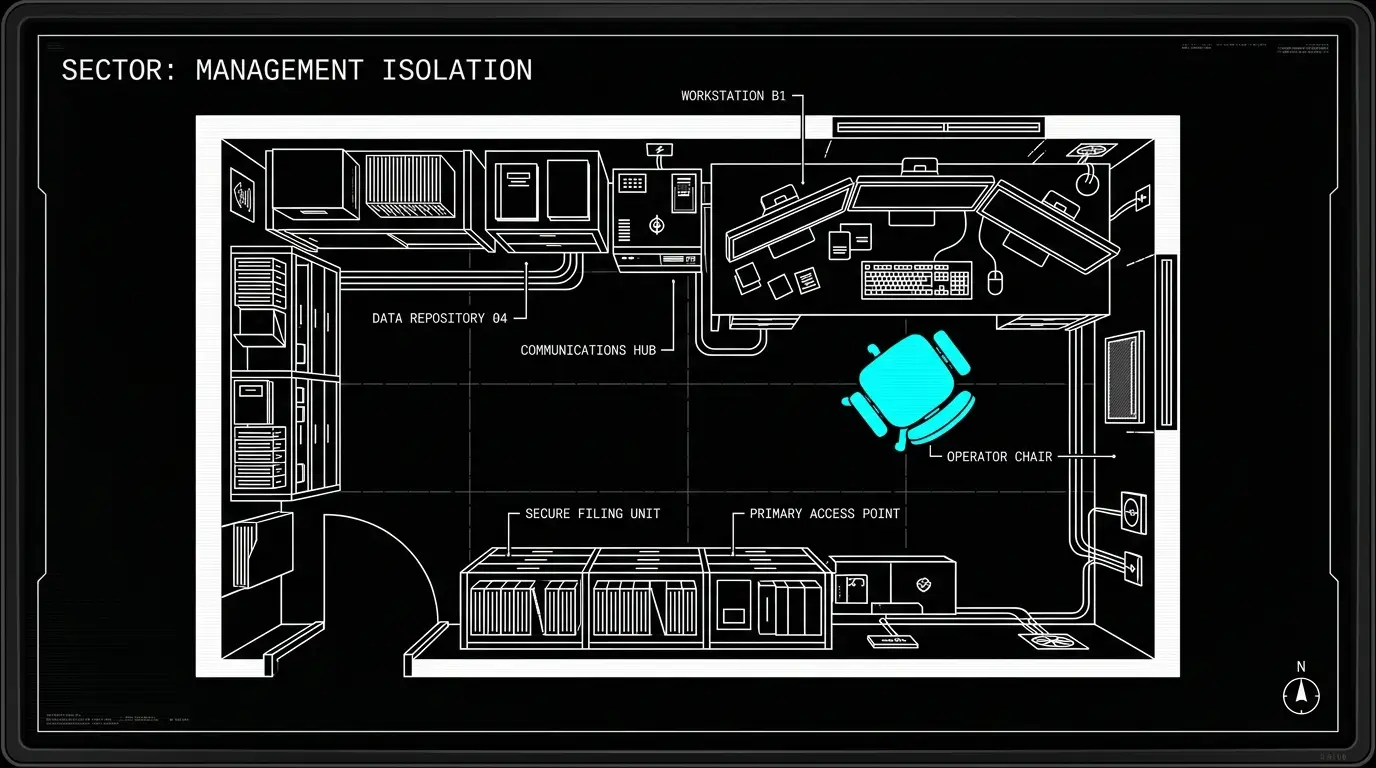
Before you sit down, understand the layout of the room.
Never trust HR. Human Resources is a corporate firewall. They are part of the management team, paid to insulate the company from legal liability. Anything you say to HR under the guise of “seeking help” will be refactored into ammunition for the line manager.
Assume you are always being watched. The supervisor pulling you into the office isn’t guessing about your shift habits. They have an asset network on the floor. It’s the setter on the next line or the operator who is family with the manager. If you use your phone, bring food to the working area, or complain about a target, it is reported to the office immediately.
3. The External Defense Protocol
When you are backed into an office, you must immediately shift from a passive worker to an active operator. Your objective is not to win an emotional argument with a supervisor whose accent you can barely hear over the machinery noise. Your objective is to freeze their momentum by forcing the shadows into a written record.
Step 1: Deploy the Notebook Shield
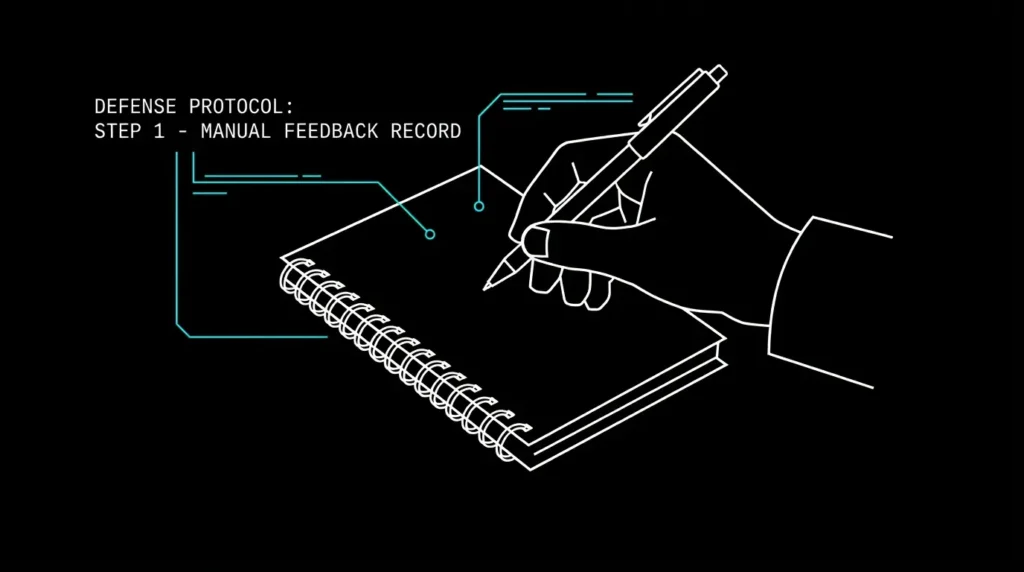
Never enter a management office empty-handed. Carry a physical notepad and a pen. The moment you sit down, open it, write the date, the exact time, and the names of everyone present. When the manager asks why you are taking notes, look them directly in the eye and state:
“I record all performance feedback manually to ensure absolute clarity on operational expectations.”
Watch the manager’s posture shift. Management micro-tyrants thrive on unrecorded conversations. They panic when a worker starts compiling an independent timeline.
Step 2: Run the Clarification Loop
Toxic managers use vague, subjective phrases to destabilize you. Do not get angry. Do not apologize. Demand data.
Manager: “Your output is slowing down the supply chain.”
You: “Can you provide the specific dates, the exact shift logs, and the structural machine metrics showing where my operation fell below my contractual quota?”
Write their response down verbatim. If they have no data and are simply trying to stress you out, write: “Manager failed to provide metrics.”
Step 3: Trigger the Documentation Firewalls
If the pressure turns into direct bullying, or if they are blaming you for an old machine failing, stop acting within their system. Use physical leverage.
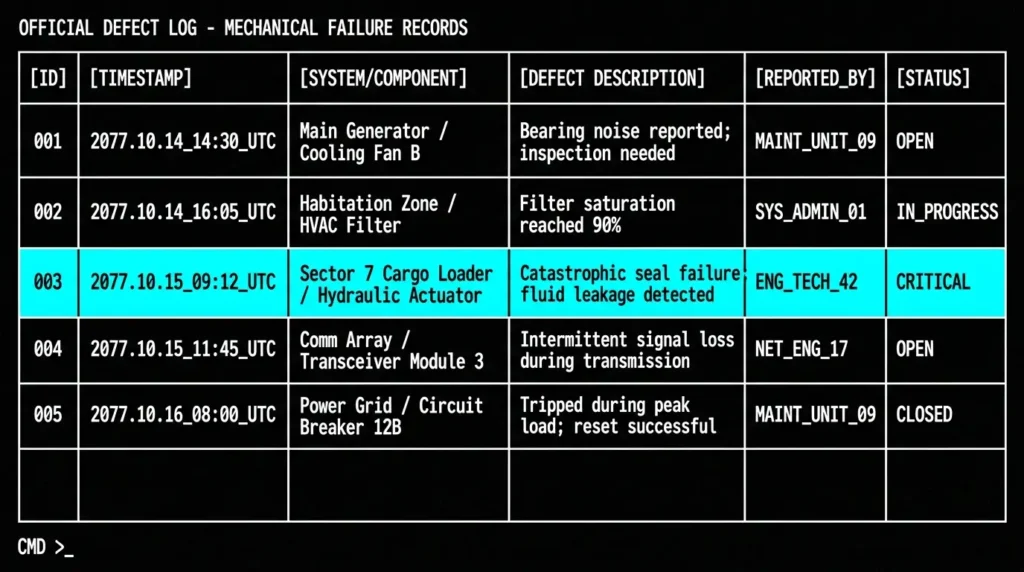
- The Defect Book Weapon: If a machine has a historical issue, like an airbar slipping inside the core, log it in the official company defect book before every shift. If they try to blame you for a slow run, pull up your log. State clearly that you are running the machine at a safe operational speed to prevent catastrophic mechanical failure or physical injury.
- The Written Grievance: If a manager threatens your job security, do not go to HR to chat. Go home, write a formal grievance documenting the exact dates, times, and abusive language, and submit it via email. Once a formal grievance is filed, the company is legally obligated to generate a paper trail.
4. Code of Conduct for the Floor
Loyalty to a factory is a psychological delusion.
Let’s be honest, you are a biological component in a corporate machine. If you drop dead on a 12-hour night shift, management will have an Indeed advertisement live before your family has even processed the news.
An unrecorded room is a kill zone for your career. If you allow management to dictate the rules of engagement in the shadows, you are volunteering for exploitation.
Stop operating blindly. Become a System Builder.
Your livelihood depends on your ability to shift the liability back onto the supervisor. “The Informal Chat Survival Script” is your operational software; the “Logbook” is your hardware. Together, they form the Total Defence Shield.
[ EQUIP THE TOTAL DEFENCE SHIELD ]
SYSTEM STATUS: Redirecting to secure terminal for 1-click deployment. Bundle discount pre-applied: $33.00. Do not walk into your next shift unarmed